
Analysis of Five Commonly Used Valve Types
Butterfly valves, ball valves, gate valves, globe valves and control valves are the five major widely used valve categories in industrial fluid control systems, each featuring a unique structure and dedicated application scope.
Butterfly Valve
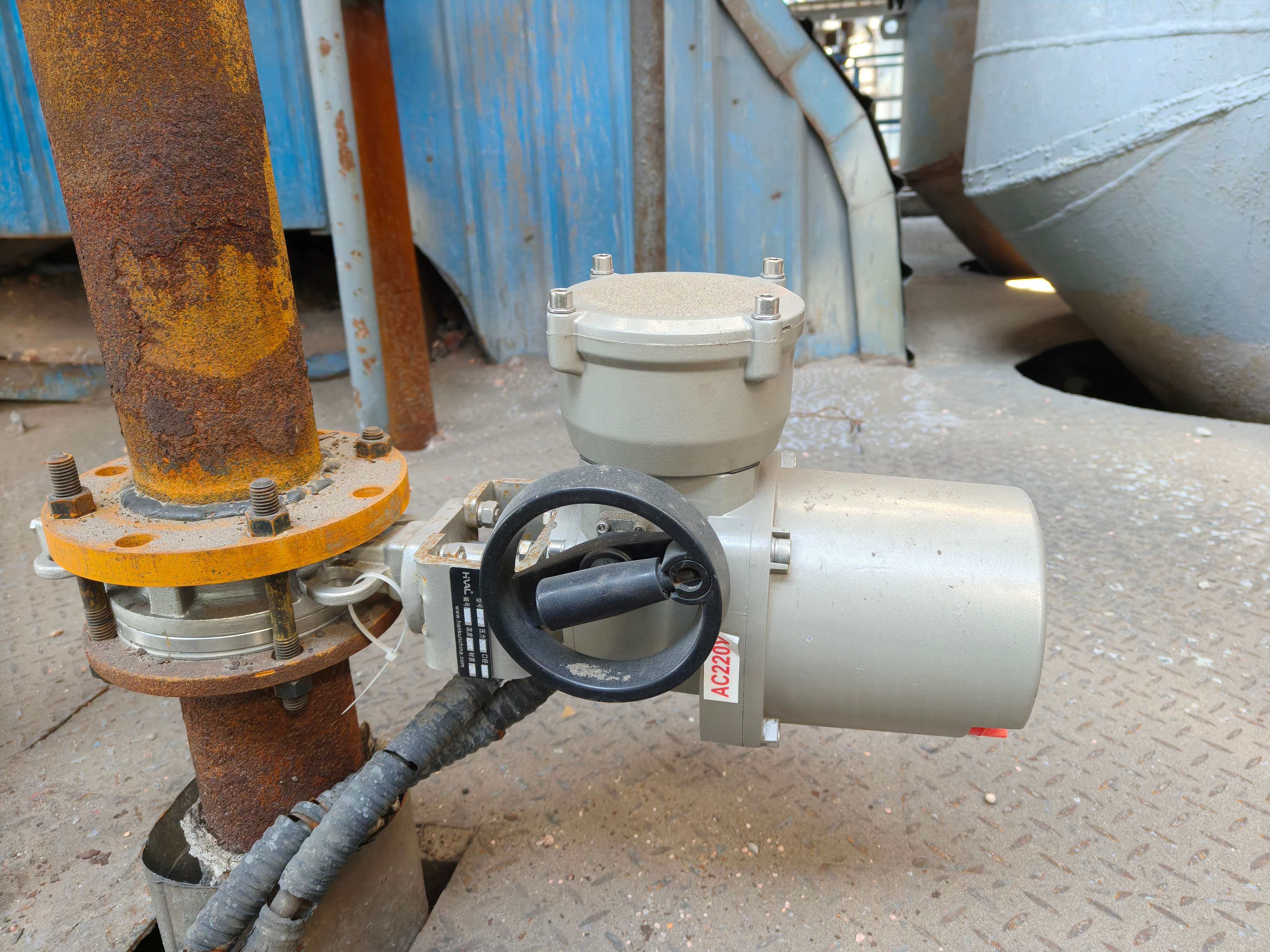
Principle: Its closure member is a disc-shaped butterfly plate that rotates around its own axis inside the valve body. The rotation angle determines the opening degree of the flow passage.
Function: Capable of both shut-off and proportional regulation, suitable for on-off control in large-flow pipelines.
Advantages:
Short face-to-face dimension, lightweight, low cost and easy maintenance; multiple connection options available (wafer, flanged, welded, etc.).
Fast opening/closing and low flow resistance.
Disadvantages:
Limited sealing pressure rating; sealing performance may degrade under high pressure differential.
The butterfly plate disturbs the medium flow during operation.
Ball Valve
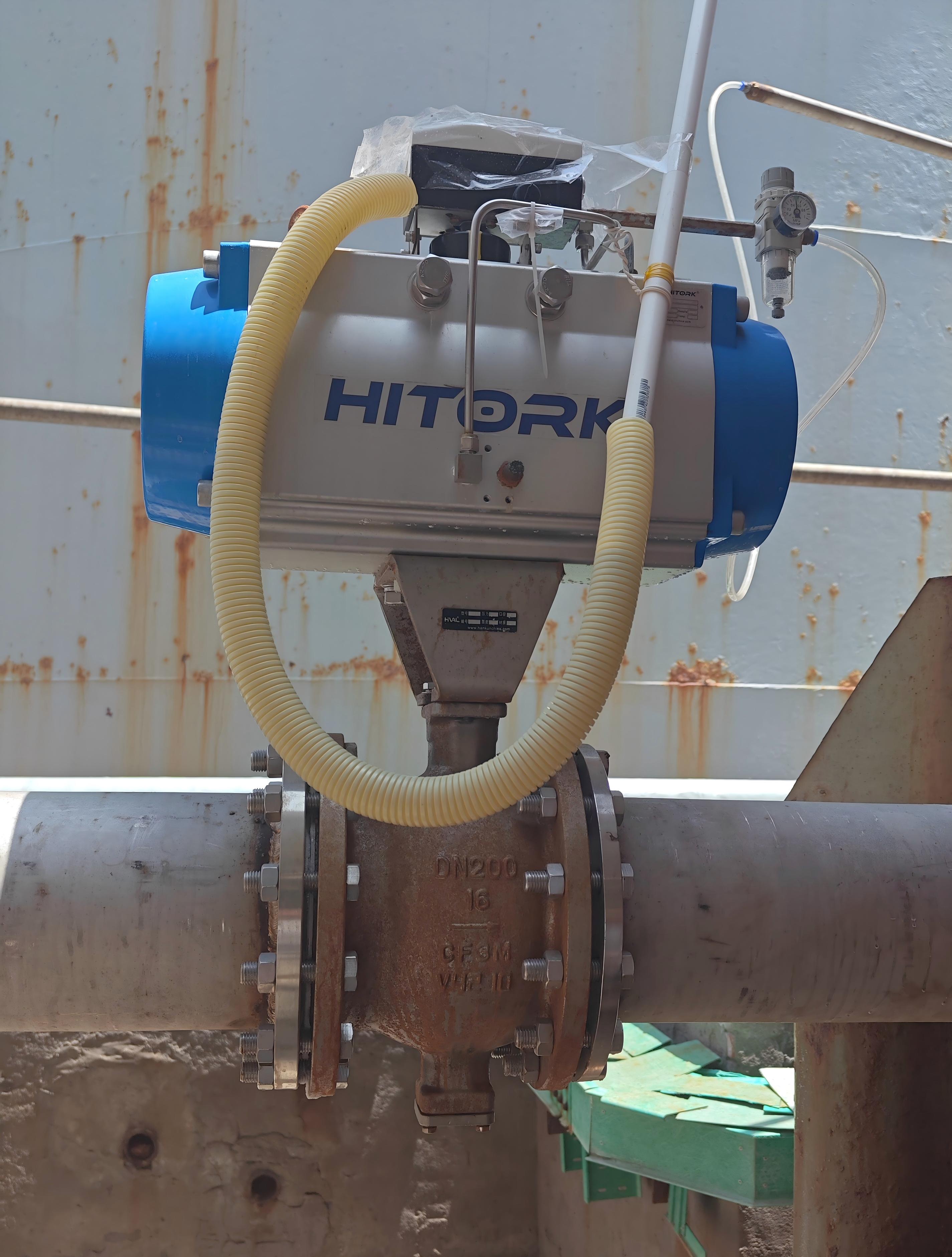
Principle: The closure member is a perforated ball rotating 90° around an axis perpendicular to the flow passage. The valve is fully open when the bore aligns with the passage; a 90° rotation blocks the passage for shutoff.
Function: Rapidly cuts off or connects the medium; some variants support flow regulation.
Advantages:
Fast operation and easy actuation.
Low flow resistance, high flow capacity and excellent sealing performance.
Tight shutoff capability (V-port ball valves additionally offer regulating functionality).
Available in three-way configurations (T-type, L-type) for reliable flow diversion.
Disadvantages:
Limited regulating capability; standard ball valves are not suited for fine modulation except V-ball versions.
Constrained by sealing materials; soft-seated ball valves are sensitive to temperature and medium chemical properties.
Gate Valve
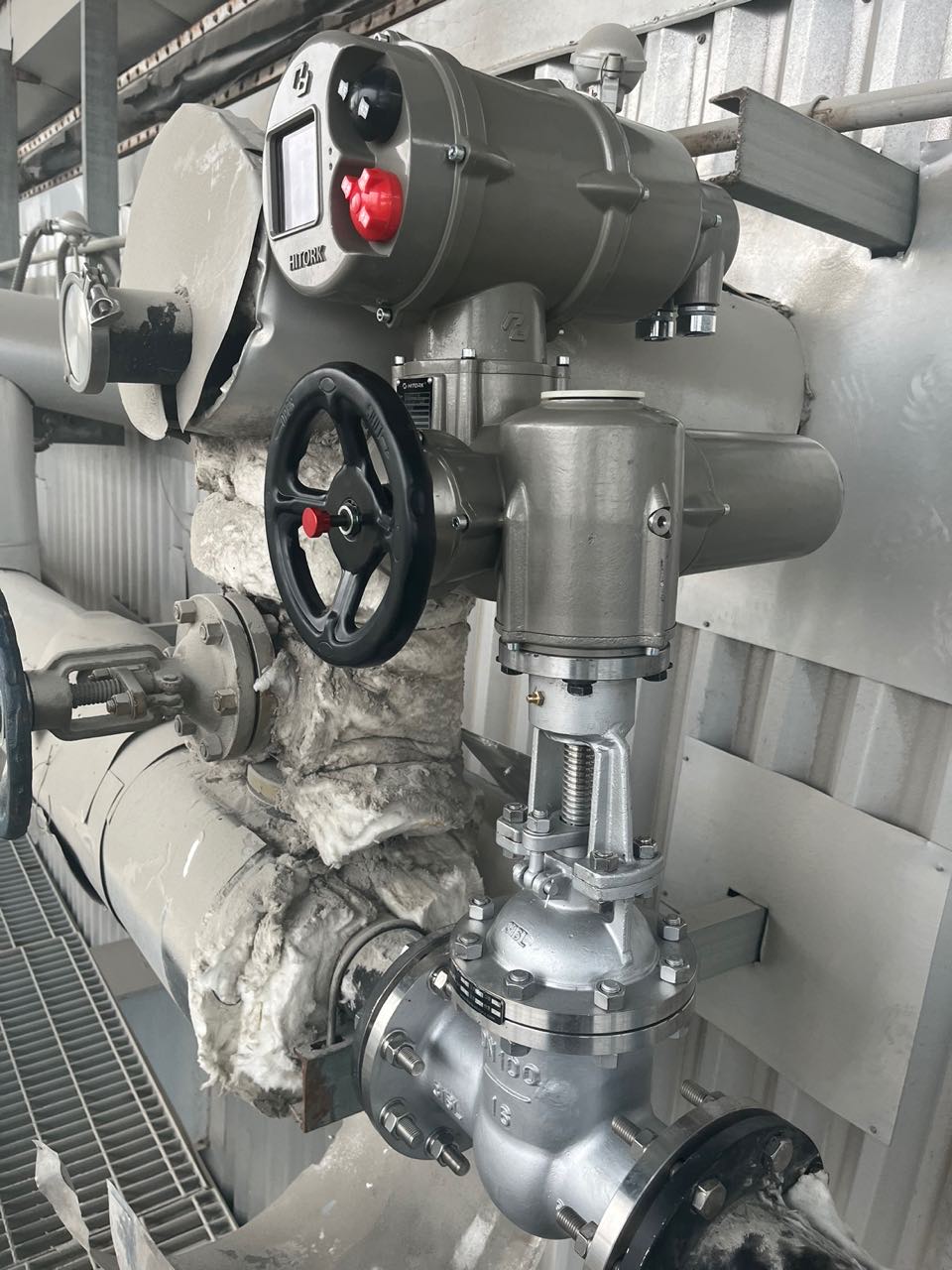
Principle: The gate slab moves vertically in a plane perpendicular to the medium flow direction. When fully lifted, the passage is unobstructed with minimal flow resistance; when fully lowered, tight contact with the seat achieves shutoff.
Function: On-off isolation only, fully open or fully closed.
Advantages:
Extremely low flow resistance; straight-through flow path at full opening with nearly negligible pressure loss.
Bi-directional flow, permitting medium flow from either side.
Good sealing performance, applicable for high-temperature and high-pressure services.
Disadvantages:
Not designed for throttling. Partially open gate slabs are vulnerable to flow erosion and vibration, damaging sealing surfaces.
Long stroke, slow operation.
Globe Valve
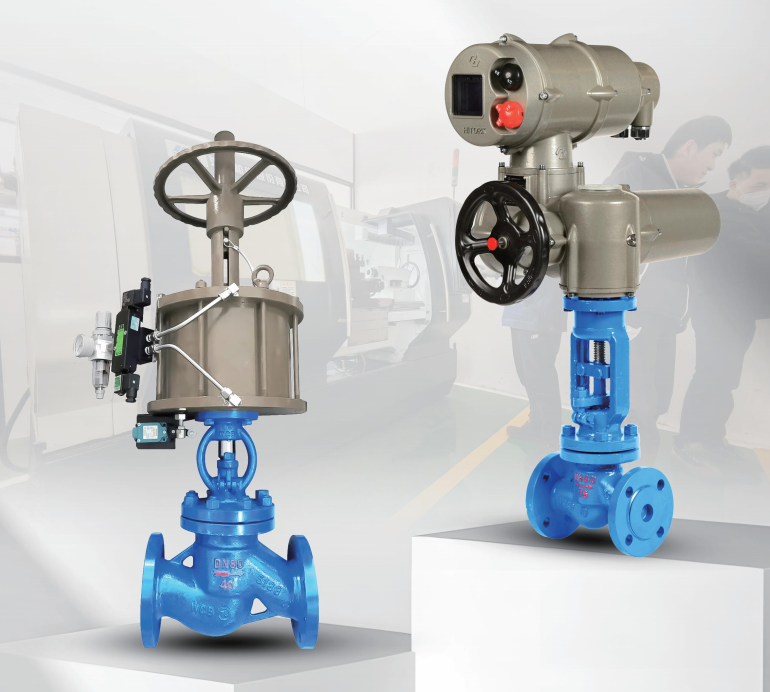
Principle: The plug moves linearly along the centerline of the valve seat. Fluid shutoff is achieved by adjusting the annular clearance area between plug and seat.
Function: Medium isolation / shutoff.
Advantages:
Reliable sealing and convenient maintenance (plug and seat can be easily lapped or replaced).
Disadvantages:
High flow resistance and high operating torque.
Not suitable for particle-laden media, which can abrade sealing surfaces.
Incapable of precise flow regulation.
Control Valve
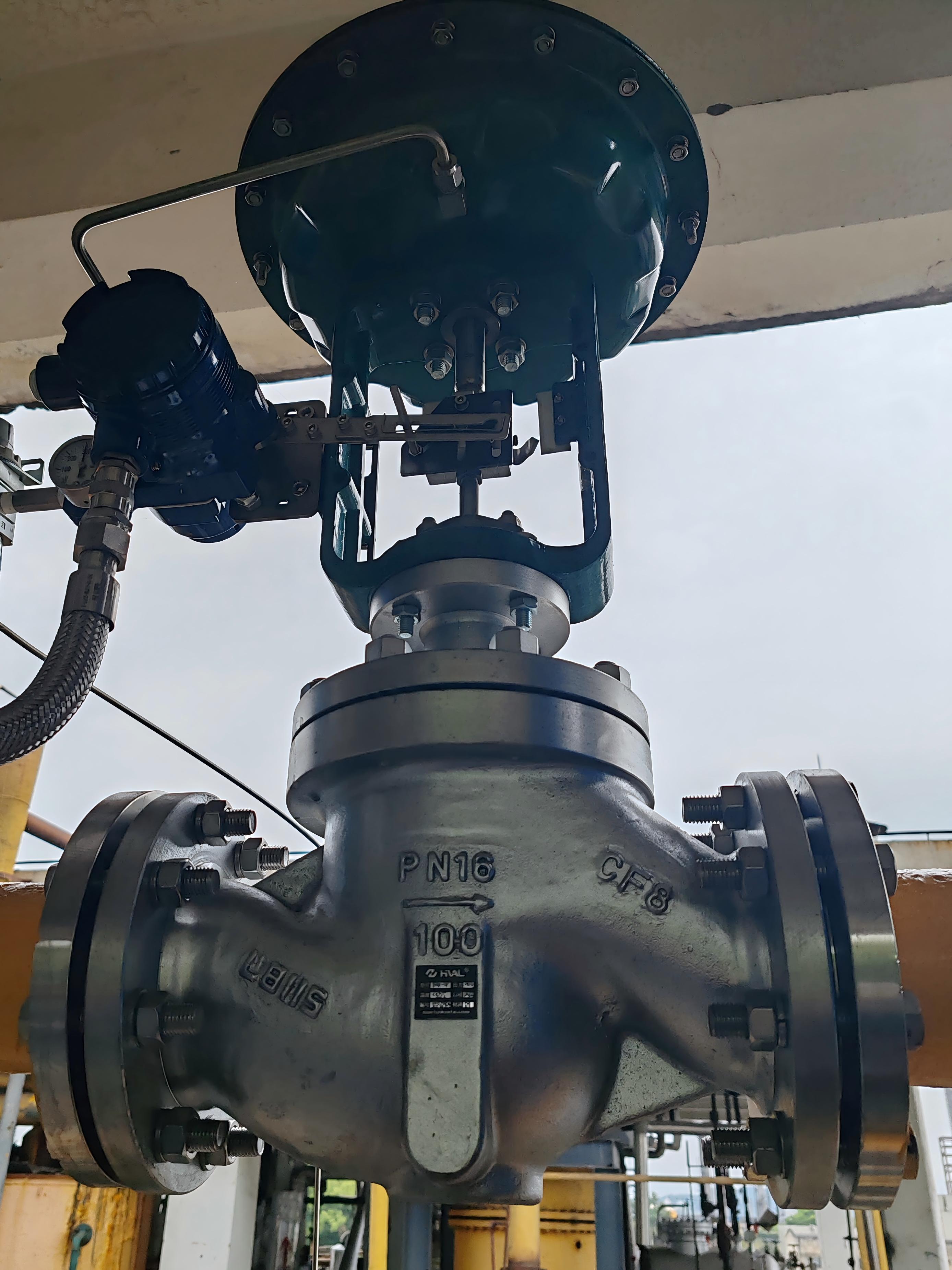
Principle: An actuator receives standard control signals (e.g. 4–20 mA) from the control system and drives internal valve components to continuously vary the flow area, for accurate control of process parameters such as flow, pressure and temperature.
Function: Continuous automatic modulation of process variables.
Advantages:
High degree of automation, supporting remote and precise control.
Fast response and excellent regulating characteristics (equal-percentage, linear, etc.).
Diverse constructions (single-port / double-port globe, cage type, etc.) to handle complex working conditions.
Disadvantages:
Sophisticated system and higher cost.
Relatively complex structure with demanding maintenance requirements.
Each of the five valve types has its own strengths. Valve selection requires comprehensive evaluation of medium properties, operating parameters (pressure, temperature, flow rate), operational requirements and economic factors. Reasonable valve selection is the foundation for efficient and stable operation of industrial systems.


